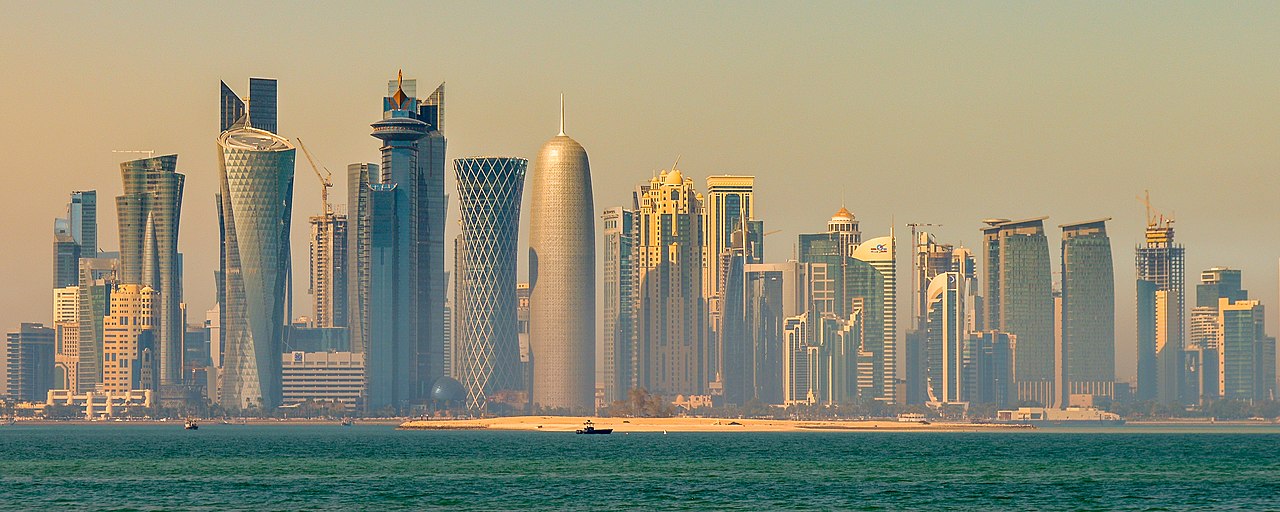
Two GCC routes, two strategic bets.
UAE vs Qatar for GCC base: when each one wins
When a scale-up CFO says 'we're going GCC', 80% of the time they mean Dubai by default. That's often right. But Qatar serves different deal flow and different strategic positions, and dismissing it without analysis costs scale-ups in the energy, infra, and government-tech sectors meaningfully. Below: when UAE wins, when Qatar wins, and the comparison frame we use with clients.
When UAE wins
UAE — and specifically Dubai — wins on five fronts:
1. Volume of private-sector deal flow. 10x more SMEs and mid-market firms than Qatar. If you're B2B SaaS, e-commerce, fintech with broad clientele, or services-export at scale — you need volume, UAE has it.
2. Free-zone optionality. DMCC, DIFC, JAFZA, DSO — multiple free zones with different positioning. You can pick the regulatory frame that fits your activity.
3. Setup velocity. 4-10 weeks for free zone serviced setup vs Qatar's 8-16 weeks. Banking is faster (4-8 weeks vs Qatar's 8-12).
4. Service provider density. Lawyers, accountants, fund admin, recruiters — UAE has 20x the supply. Most professional services walking-distance.
5. Talent pool depth. Larger expat workforce, more passive candidates, easier visa quotas at scale.
Flex office: QAR 1,800-7,100/desk/mo (DMCC mid-tier to DIFC premium). Setup costs: QAR 20k-157k depending on zone. The market is mature, transparent, and predictable — which itself is a feature for risk-averse CFOs.
When Qatar wins
Qatar wins on four very specific axes:
1. Government / sovereign deal flow. Qatar Investment Authority (>$500B AUM), QatarEnergy, QIA's mega-projects (NEOM-equivalents like Lusail, North Field LNG expansion). These don't cluster in UAE — you have to be in Doha.
2. Energy + LNG-adjacent firms. TotalEnergies, Engie, Technip historical relationships. The North Field expansion is the largest LNG project in the world right now. New entrants need Doha presence to compete.
3. Mega-project infrastructure. Asian Games 2030, Olympic candidacy, post-World Cup tourism push. Stadium ops, mobility, fan-experience tech, smart-city — concrete deal flow our clients are seeing in 2025-2026.
4. Less competition in advisory + services. With 5x fewer firms competing per capita, getting noticed is materially easier. Win-rates we observe are higher.
Flex office: QAR 1,400-5,100/desk/mo, ~30% below UAE for equivalent positioning. Setup is slower but the regulatory environment is genuinely more streamlined post-2019 reforms (100% foreign ownership now allowed in many sectors). The 'closed culture' reputation is overstated for B2G work — once you have a Qatari sponsor or partner, the relationship density compounds fast.
48h reply
3-4 priced options in Doha, no call required first.
Free for you — operators pay us on signature.
How we frame the choice with clients
Three questions:
1. Where's your top-3 client opportunity? If 2 of 3 are in Qatar (typically QatarEnergy + 2 sovereign-adjacent contracts) → Qatar. If 2 of 3 are in UAE (typical for SaaS, e-commerce, advisory broad-base) → UAE.
2. What's your sector? Energy / infra / sovereign-deal-flow → Qatar. SaaS / e-commerce / fintech broad / private-sector services → UAE. Hybrid (consulting selling to both gov + private) → start UAE for volume, add Qatar in year 2 if Qatari deals materialize.
3. What's your operational tolerance? Qatar's setup is slower, the talent pool is smaller, and service-provider density is lower. Some scale-ups underestimate the operational cost. Run a 6-month 'phase 0' from UAE while you validate Qatar deal flow, then add Doha if it materializes.
The 'add Doha later' strategy is what we recommend most often: UAE-first for execution speed, Qatar-second once specific Qatari deal flow justifies it.
UAE wins on volume, velocity, and ecosystem. Qatar wins on specific high-value deal flow that doesn't exist elsewhere in GCC. Most scale-ups should default UAE and re-evaluate Qatar in 12-18 months once they have client signal. The exception: energy, infra, government-adjacent firms that should validate Qatar potential before committing UAE-first — for these, Doha is sometimes the right primary base.
Working on this question?
We audit your case, compare Doha operators with current availabilities, send you 3-4 pre-vetted options with our take. You pick the visits, we book them, we close with the operator. Free for tenants — operators pay us on signature.